Finding balance between night and day
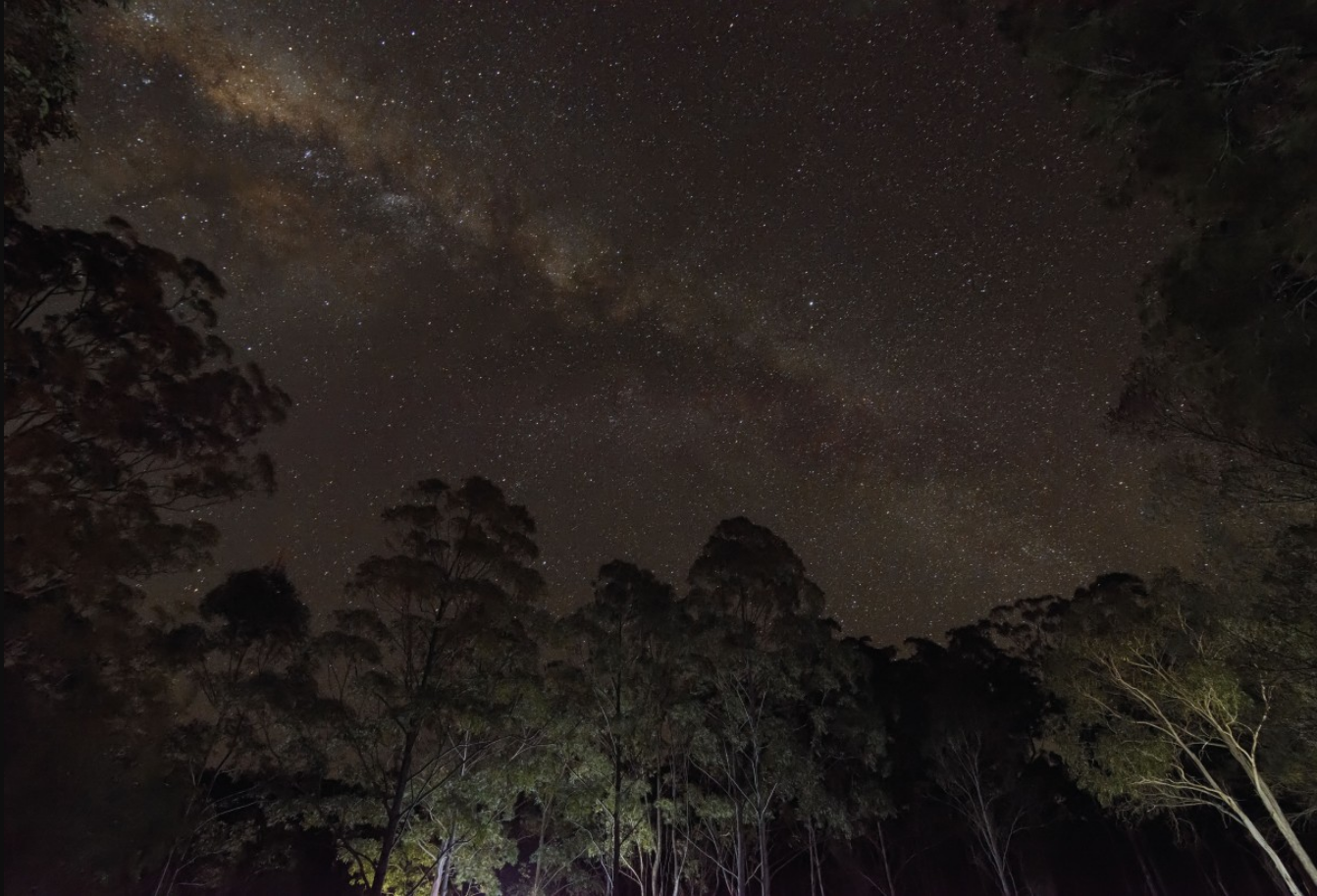
Just as it is physically difficult to look at the sun, it is also hard to parse the meanings and stories attributed to it. Many ancient peoples worshipped the sun, and it often feels as though that reverence has seeped into modern Western culture so thoroughly that we are no longer able to see or feel it. Humans are largely diurnal, and just as we owe the sun for our existence, we also depend on it for our structures of time. Yet we imitate the sun’s light for much longer than the day should last, attached to the activity sunlight brings us.
My interest in astrology leads me to think about these cultural understandings of what the sun, moon, day, night, light, dark mean to people, and how these common-sense dualities register in people’s lives. As the centre of the solar system, the sun is essentially the central organising principle of astrology, determining the orbits of the classical planets along with casting light on them, making them visible to ancient astrologers. Whether something is visible or invisible was very important to these ancient astrologers, and the qualities of their visibility lent to different meanings. Venus and Jupiter were relatively bright, and therefore understood as benefic planets, gifting the native; Mars and Saturn were more dull – Saturn especially distant – and were considered malefic, bringing bad fortune.
Remnants of these interpretations survived into modern astrology, but it was not until the recent translation of many ancient texts that ancient astrology had a rebirth reviving the Hellenistic tradition. In this tradition, influenced by dualistic philosophies of the time, the time of birth becomes especially important, not just for determining the ascendant of the chart, but for knowing whether the person was born in the day or at night. This alters the interpretations of key placements in your chart, including the sun and moon. Going against modern-day common assumptions of stereotypical magazine horoscopes, if you are born at night, then the moon is considered your ‘sect light’, and has a stronger influence than your sun sign. You are considered to belong to the ‘night sect’, and if you are born in the daytime, you are of the ‘day sect’, where the sun is more important. Different planets belong to each sect, and ancient astrologers used a system which depended on a rather tactile way of understanding planets, along the axes of hot and cold, dry and moist, with the aim of creating qualitative balance and compatibility in each sect.
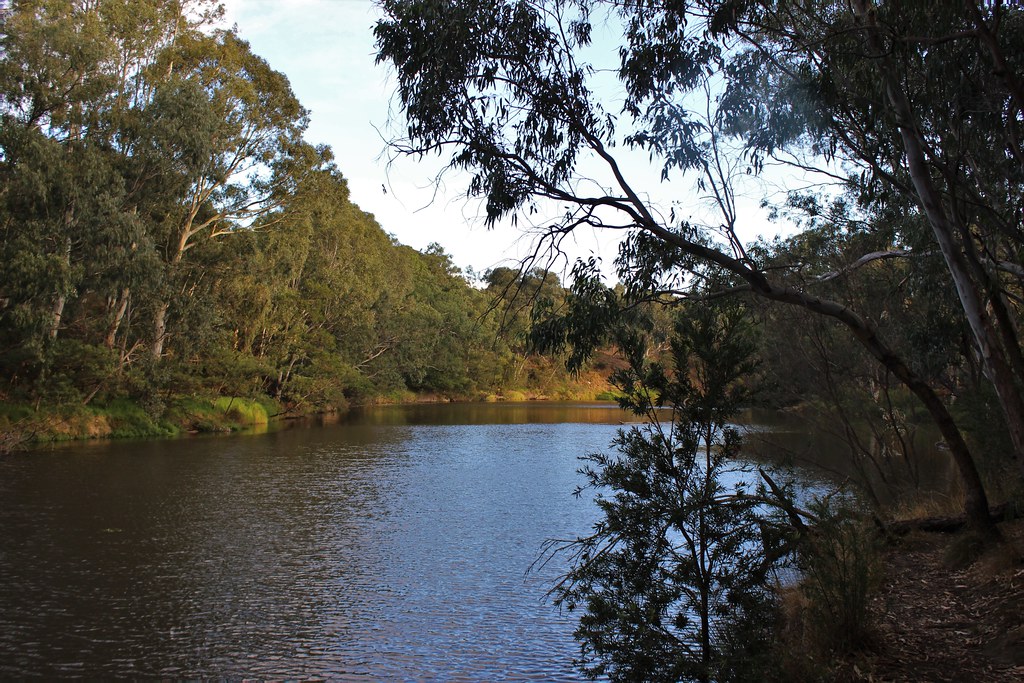
I often feel that this sensory yet cosmic language is the secret appeal of astrology. In discussions of why astrology is popular nowadays, less attention is paid to the simple elemental basis of astrology, and how they place humans in idiosyncratic connection with these physical components of the world. My chart is a night chart, and I have a lot of earth and water placements. Rather than focusing on the psychological or fatalistic interpretations of my chart, sometimes looking at my chart simply brings me closer to the ways those elements manifest in my life: the earth beneath me, holding me up, feeding the roots of plants around me. Earth and water can be a river slowly depositing rich sediment on its banks, tides colliding with an eroded cliff, dew collecting on blades of grass. I feel intimacy with rain and soil.
Rather than purely a tool of divination, astrology is a form of poetry that helps me defamiliarise these very basic elements of the world we live in. Just as astronomy can help us remember that we live in an incomprehensibly vast universe where nothing is taken for granted — we live on a small rock catching the light in miraculous conditions — astrology grounds me to the human habit of storytelling about the heavens and the earth. It tells me that we all have divine connection to the sun and moon, not in an overly mystifying way, but simply because we need them for life here on Earth. As essential ingredients for living, it feels connective to tell stories about the movements of the luminaries, and to feel awe about the timing of our existence in relation to theirs.
Our relationship between the sun and the stars
Even if the technique of sect emphasises one luminary over the other, both still have their influence in a chart. In determining the ways astrological placements show up in people’s lives, asking people what they are like during the day and during the night can speak to their sun and moon placements respectively. Example questions include: what are you like in the light of the sun? What is your relationship to visibility? What are your energy levels like during the day? Are you an early riser or a night owl? What is your sleeping life like? Do you have a lot of dreams? The answers to these questions don’t need to fit into my own presumptions of what a Libra sun native would be like during the day, or a Sagittarius moon’s habits at night. A successful chart reading is when a client teaches me about what their chart means, rather than me teach them. When I step into my role as an astrologer, my job is to ask questions to help them view their own lives differently, to enliven and refresh little details about their existence, and guide people to view these details as sacred.
The night can be a way to disrupt the pressures of everyday living. The darkness that it brings can allow us to escape. We find peace and quiet while everyone is asleep, we dream during our sleep and explore our interiority, or we go out and party, shedding inhibitions. We can rest. Just as the moon fluctuates according to its angle to the sun, we can fluctuate during the night, with less coherence and clarity. We can be unruly. The phenomenon of ‘revenge bedtime procrastination’, where overworked people find free time at night rather than simply sleeping, shows how this relative freedom at night can reveal our needs and desires, and provide a space for small rebellions even at the behest of sleep. The night can protect us and keep our secrets. The night is also associated with mysticism, the occult, hauntings — a place where the world loses a little of its coherence as well. Memories become apparitions, and shadows become foreboding.
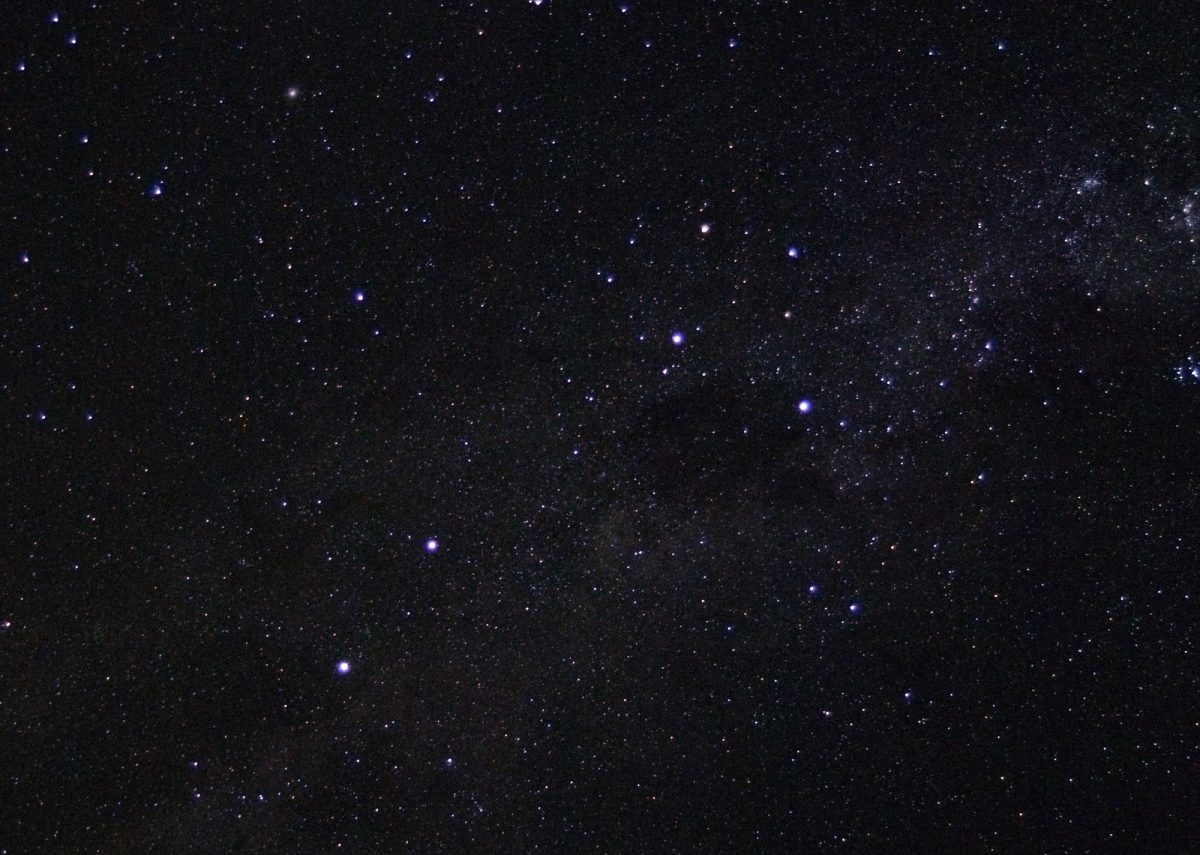
The fear of the night led to the rise of artificial lighting and light pollution in urbanised societies, and became associated with ‘civilisation’ and ’rationality’ — a conquering of the night — but with that shift, we lost the visibility of the stars, and the night as home for astronomy and astrology. It is only occasionally that I am able to see an astrological configuration play out on the night sky. I feel that deprives us of the humbling reminder that our sun is just one star of so many.
Although astrology views night and day as dichotomous, as soon as we remember the moon reflects the sun’s radiance, we can see that binary as false. Within our relationship to the moon, there is solarity. But our relationship to the sun is also always mediated: by atmopheric gases, by rotation of the earth, by land formations and human structures. Without these mediations, the sun’s radiance is destructive. Life on this planet is dependent on our space away from the sun, just as much as our proximity. I have never felt more aware of that fact until I developed a medical condition that left me heat intolerant, especially living in western Sydney, possibly one of the hottest urban spaces in the world. Our relationship to the sun is not solely directional to the sky: it is embedded in geographies, architecture, economies. Not being able to mitigate too much sun, or not getting enough light, can inform geographic and socioeconomic inequalities.
Becoming aware of these intricate conditions for our coexistence with the sun becomes an ecological understanding of the sun: an understanding of how precious the balance is between the sun and everything that moderates its rays to give us just the right amount of warmth and light to create life. While I don’t belong to a tradition of worshipping the sun as a deity, I feel a casual reverence, one that helps me see the relational habits humans have created around the sun as sacred. The oft-cited quote ‘as above, so below’ can extend to the ways astrological charts mirror this web of relations within ourselves. Astrology charts our inner multiplicity: our ecological, contextual, rhythmic selves.
So who do we become when we are in the sun? Replenishing ourselves at night, we can enjoy the freedom and energy that comes with the light. Everything enabled by our visual sense becomes easier during the day, allowing for precision, focus, and recognition. Our thoughts sometimes become more linear, giving us a steady routine, just as the sun’s routine is also steady. Our habits become associated with particular qualities of light: for me, napping in the golden afternoon rays. Early risers and exceptionally late sleepers people can share an appreciation of dawn, where a bluish, diffused glow signals the end of the night and the beginning of the day. Sunrises and sunsets are part of the mundane beauty of the world, where their often spectacular occurrence can form the backdrop of our everyday life.
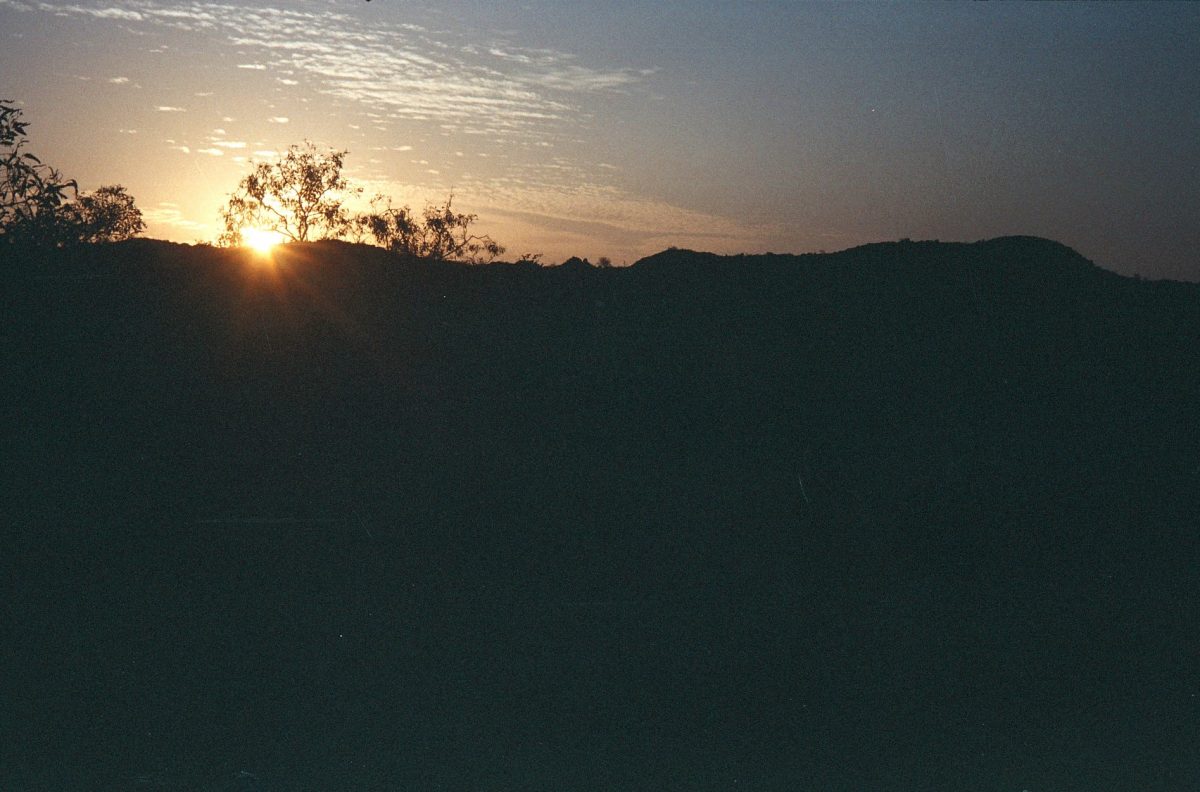
This routine splendour can help us build a relationship to our day time. It can make our hours of work feel more limited, in ways that do not push for more productivity, but instead feel more connected to the work that we do, and that we can do. Astrologically, the sun shows what we, individually, can illuminate in the world, what we can shine a light on. To me, it also shows the warmth and rejuvenation that can emanate from our being, warmth not just given divinely, but received from the cosmos to live in the molecules of our being. The sun shows us what we have to share. And that can be shared through work, in the most straightforward sense, but it can also be shared through any kind of activity, whether that be caring work, creative work, spiritual work. Just as the etymology of cosmos was a way of describing ‘women’s ornaments’, and the night sky was described as a scattering of jewels, we are also adorned with the blessings of the heavens.
Knowing the sun’s radiance permeates our being, helps me feel a little more purposeful and courageous in my choices, and grateful for whatever series of cosmic accidents that led us here. Despite astrology’s ability to give us an analytical map to self-understanding, I most appreciate when it guides me towards seeing the miracle of being.